Family First
The Grandir group is an early childhood and education
Present in 5 of the G7 countries
Canada
France
Germany
UK
USA
13000
qualified and committed educators
46000
children
1100
nurseries and preschools
2000
private & public B2B customers
Bordeaux
Boston
Chicago
Edmonton
Leicester
London
Lyon
Marseille
Munich
New-York
Paris
Toronto
Vancouver

Grandir Group
Mission
Our mission is to provide a safe, healthy, and high-quality educational environment where children and employees are empowered to grow, learn and thrive.
Jean-Emmanuel Rodocanachi
Founder & CEO
Values
Pillars
Values
Pillars
I m p a c t
Innovation
Mission
Pedagogy
Academy
Certification
Transparency





At the heart
of Grandir
Created in 2000 in France, Grandir is a leading early childhood provider, operating in
five major countries.
Grandir employs approximately 13,000 motivated and trained teachers and staff worldwide and welcomes more than 45,000 children every day in its schools, kindergartens and nurseries.
Grandir employs approximately 13,000 motivated and trained teachers and staff worldwide and welcomes more than 45,000 children every day in its schools, kindergartens and nurseries.
Grandir is recognized for the first-rate services it provides to parents and children,
the professionalism and fervour of its teams, its solid educational curriculum, and its
operational efficiency.
Newsroom
#RSE
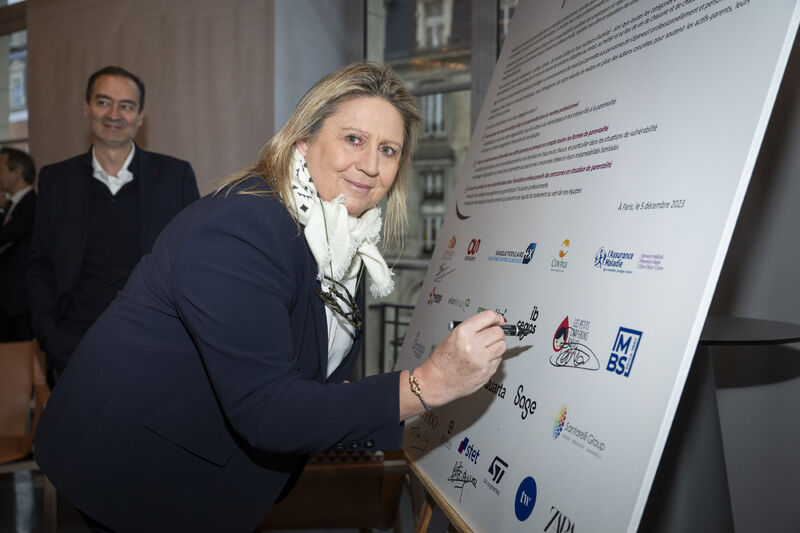
Renouvellement de la signature de la charte de la parentalité
À l’occasion des 15 ans de l'observatoire de la QVT, nous avons renouvelé la signature de la
charte de
la parentalité en entreprise pour réaffirmer et continuer de renforcer notre engagement en
faveur de
l’accompagnement de nos salariés parents
#Pédagogie
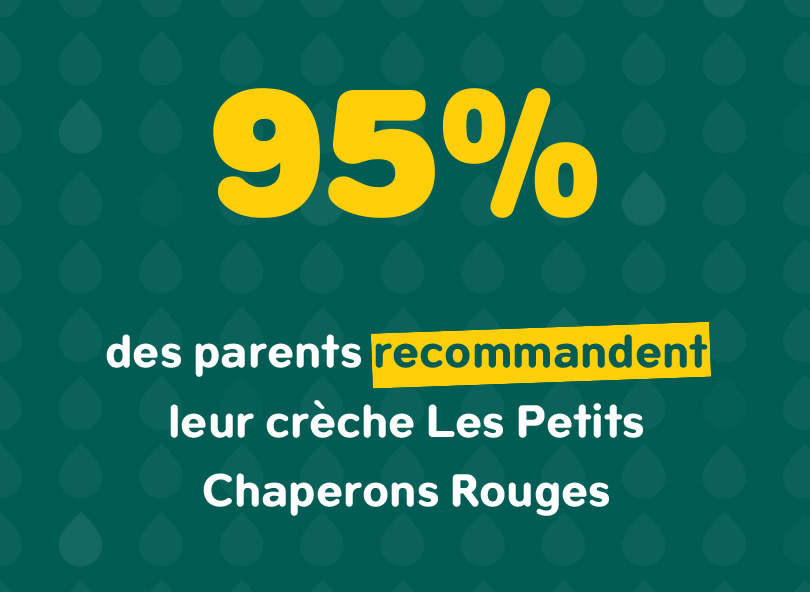
Le travail de nos équipes reconnu dans la nouvelle enquête de satisfaction familles
Plus de 9000 familles ont répondu à notre enquête ! Les résultats traduisent la confiance en
nos équipes et
le bien-être des enfants dans nos crèches. Bravo à nos équipes et merci aux répondants !

#RSE
Nouveau guide QVT
À travers des témoignages concrets de grandes entreprises engagées sur le sujet de la QVCT
et de la parentalité,
ce guide présente les bonnes pratiques pour permettre une meilleure conciliation entre vie
professionnelle et vie personnelle.

#Fondation
L’allocation de rentrée en maternelle
Si les 1000 premiers jours de la vie d’un enfant sont déterminants, l’entrée en maternelle
l’est
tout autant et doit pouvoir se faire sereinement pour toutes les familles.
C’est pourquoi la Fondation Grandir à décidé d’offrir un chèque de 100 euros aux
300 familles qui bénéficient du tarif le plus bas dans nos crèches.

#RH
Comment faire la différence aujourd’hui pour attirer et fidéliser les talents ?
Notre Directeur Général France Sacha Tikhomiroff partage sa vision dans Forbes sur
Le levier devenu indispensable pour recruter : le soutien aux salariés parents !

#Fondation & Mécénat
Notre fondation d’entreprise se mobilise pour venir en aide aux enfants marocains touchés par ce terrible séisme.
Avec la banque alimentaire marocaine, nous organisons dès à présent le financement et
la distribution de 10 000 repas pour les bébés et les enfants.
Une aide d’urgence rendue possible grâce à la coordination locale de notre partenaire
marocain, les crèches Baby Nest
Awards and certifications
Our nurseries and preschools are renowned for their quality of care, early learning, and
educational programs. We are grateful to our families, employees, and partners for their trust
and commitment.






They trust us
We are present in 5 of the G7 countriesMany public and private clients turn to Grandir Group to
implement work-life balance solutions. Together, we ensure the well-being of employees at work,
enhance staff retention while boosting their employer brand and promoting gender equality.

















TEAM
Our team is filled with talented individuals from different walks of life,
brought together by a shared passion.
We tackle challenges together, ensuring everyone feels fulfilled and
supported in their professional journey.
brought together by a shared passion.
We tackle challenges together, ensuring everyone feels fulfilled and
supported in their professional journey.